Welcome to all things code-based.
I have worked in a variety of coding languages, including but not limited to:
Python, Javascript, Java, C#, C, GDScript
JavaScript
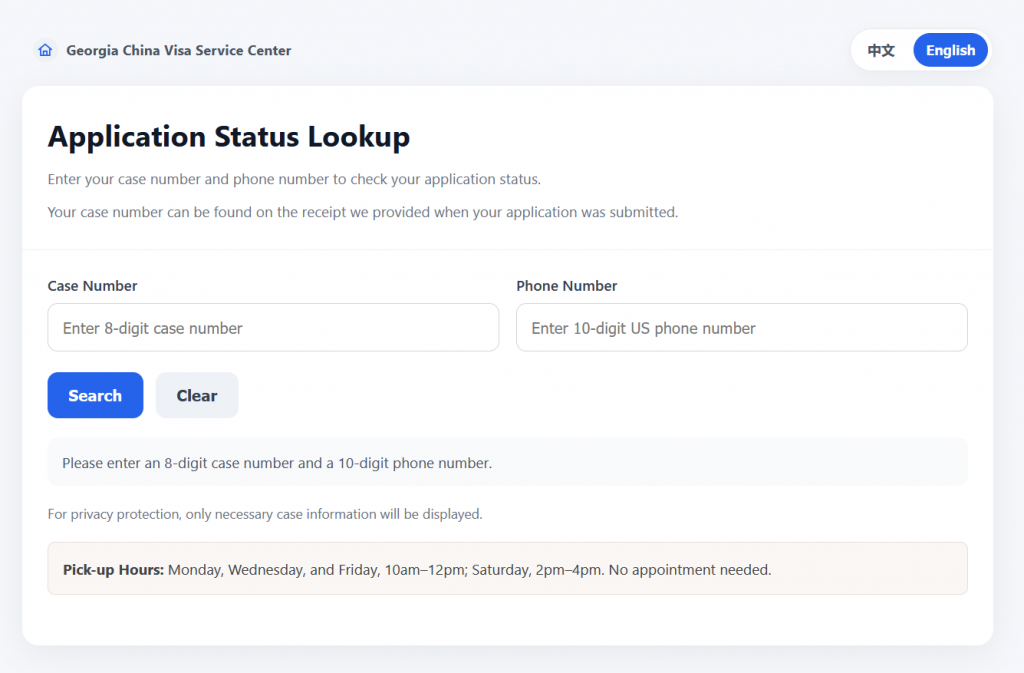
Georgia China Visa Internship
While interning at Georgia China Visa, I maintained part of the official website.
A major contribution I made was to the creation of the page that clients can use to view their current status of their Chinese Visas.
In collaboration with my supervisor, I created the front-end of the page, including the linking of GCV’s API, and the dynamic translations from Chinese to English.
Animal Simulation
I was inspired to embark on this project by a Youtube video I watched by the creator argonaut, in which he demonstrated the wonders and details behind procedural animation. I was captivated by how he was able to use simple algorithms and inverse kinematics to create natural movement in animals.
Following in his example, I wanted to create something like that for myself, so I began working in Javascript and the p5.js library to make digital animals of my own.
In short, each simulated animal (a fish, mouse, and snake) are comprised of an array of vector points, whose positions are each constrained by their neighbors. The result of this is realistic movement.
Physics Simulation
Created an interactive physics simulation of multiple object collisions using vector mathematics.
Completed implementation without the use of external physics libraries to improve understanding of logic behind modern physics engines.
Calculations include air and ground movement, static and dynamic collisions, and object collisions.
Pond Simulation
See the full development process here
Exploring Shaders in JS and GLSL
Using the code from my Animal Simulation as a base template, I wanted to apply and explore the different applications of the WebGL GLSL shader language to make a shader of my own.
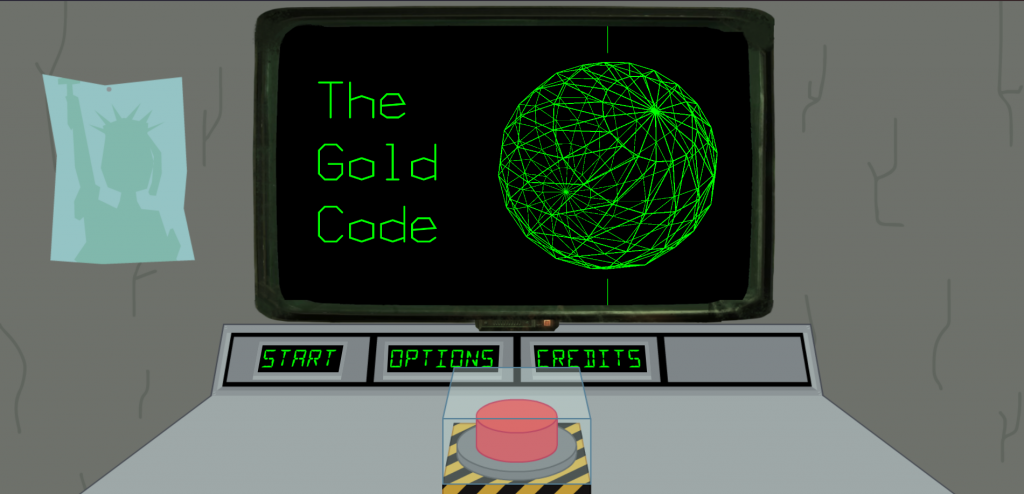
LMC2400 Final – The Gold Code
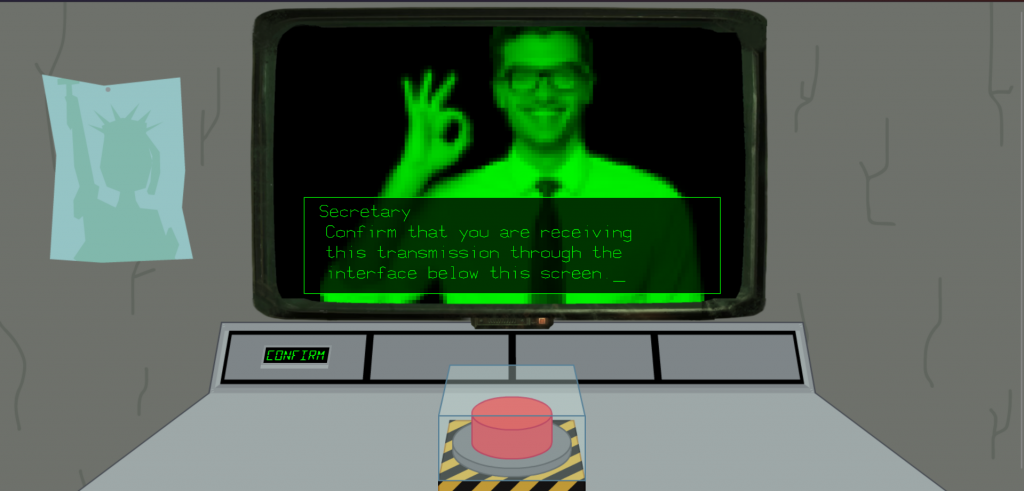
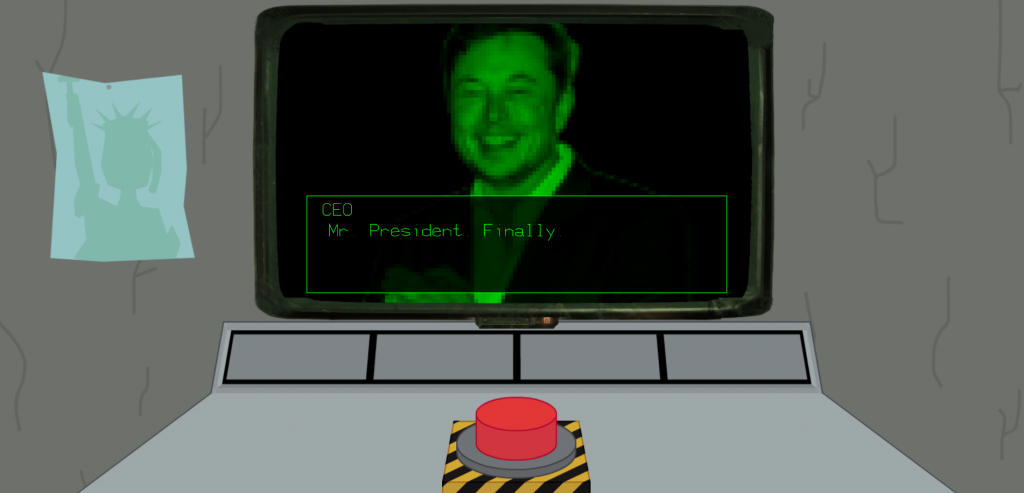
In collaboration with Declan Miller, we created a fully functional visual novel using Javascript and the p5.js coding library. The entire visual novel engine was built from the ground up, using JSONs as the backing data structure. Code was divided between us evenly, but I was responsible for the overall visual infrastructure/display and the visual novel engine.
The final project is too large to fit in here, but you can view by clicking this link. You may need to resize your window for a better viewing experience.
Miscellaneous Projects
BlackJack – API practice
Knockout – GamePigeon App Recreation
Java
Mock Spotfiy (Quackify)
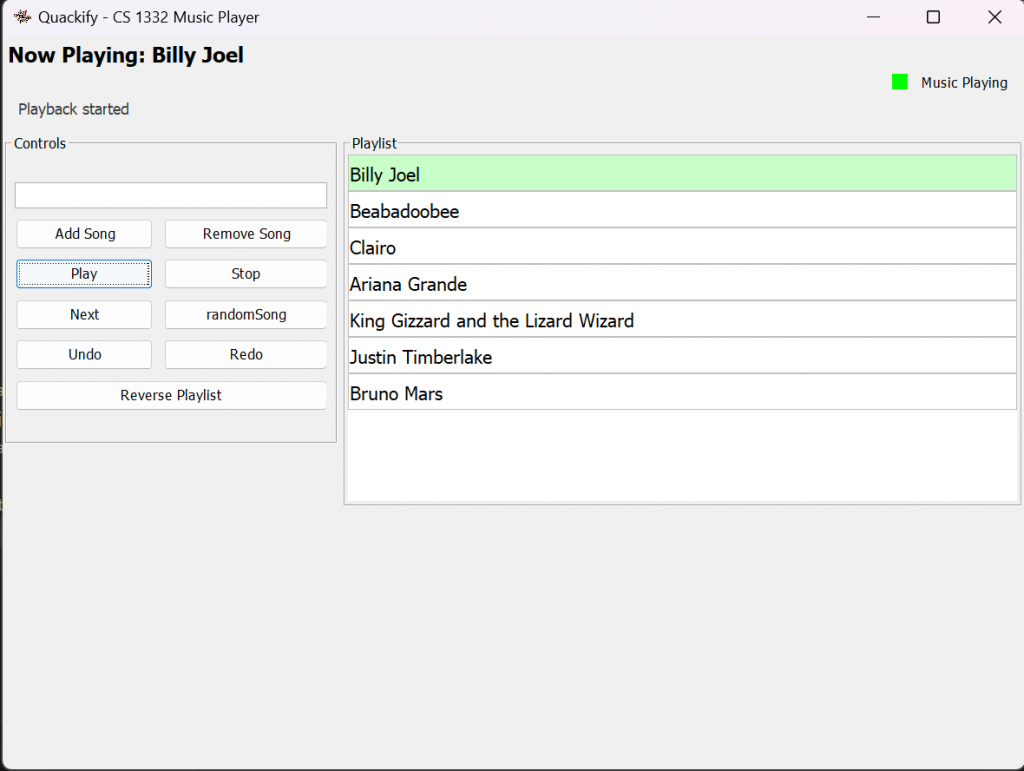
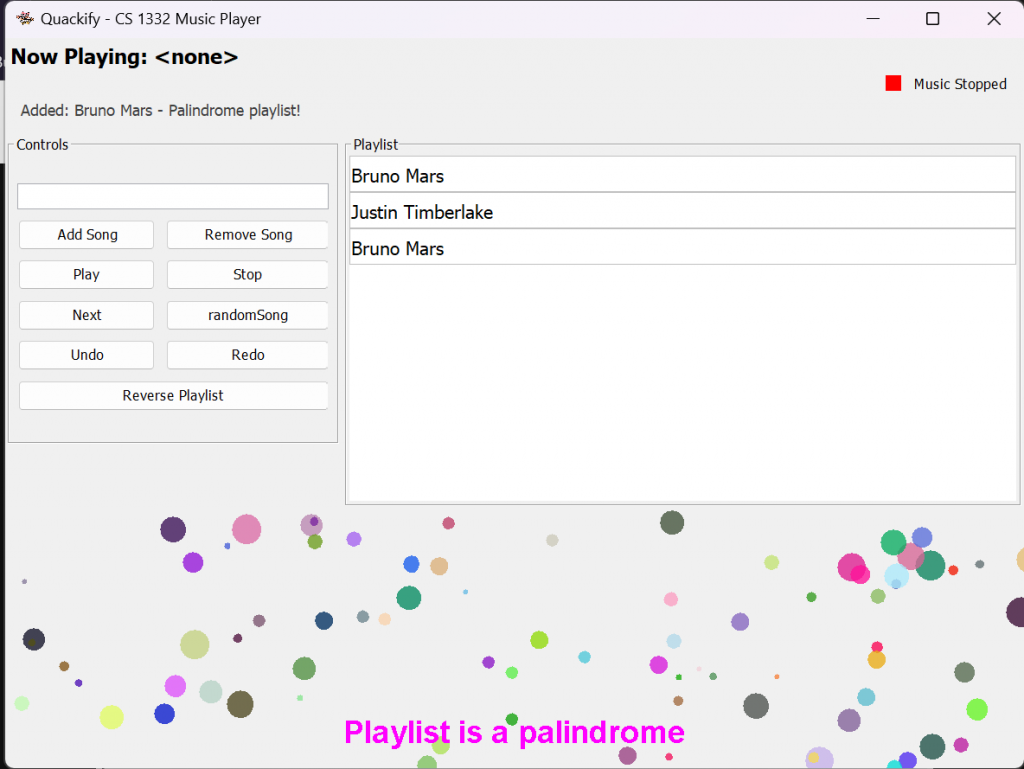
For my CS1332 course, “Data Structures and Algorithms”, we were tasked with creating a mock version of Spotify’s music player. This includes creating the backing data structures meant to store, play, and remove songs from a playlist. This playlist was also required to loop back to the first song, thus being able to play songs infinitely.
Beyond making a functional playlist, we were instructed to implement additional features, such as a functional ‘undo’ and ‘redo’ mechanic, a ‘reverse playlist’ button, and a feature that checks if the playlist is a palindrome.
I successfully created and implemented my own Singly-Linked Lists, Arraylists, and Deques to finish this project.
Databases Practice
Graphs and Search Algorithms Practice
Runaway Ray-caster – GDScript
Inspired by the fundamental renderings seen in Doom, I set out to create a 2.5D game using the Godot Engine.
Doom is rendered by utilizing hundreds of ray casts within a 2D graph to determine how far away a player is from a wall or enemy.
Whenever a ray cast collides with an object, it returns two vital pieces of information: the distance of the casted ray and the collided object. From these, we can render corresponding vertical lines whose size is determined by the ray’s distance and whose color/texture is determined by the collided object’s texture.
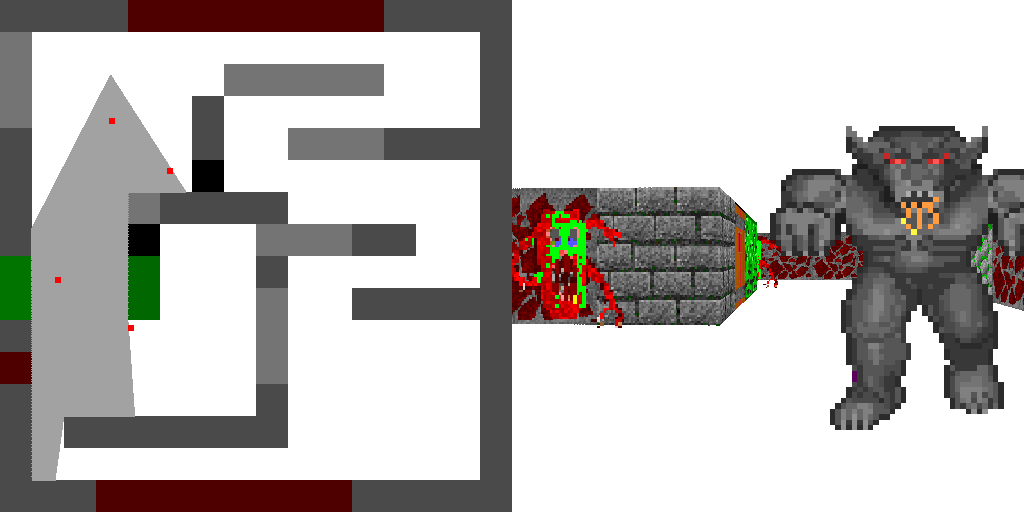
From this, I created a game in which you can change your perspective, swapping between a 2D graph view and a first-person 3D view.
In “Runaway”, you are stuck in a maze, try to avoid relentless pursuer for as long as possible. Fortunately, you’re equipped with a tool that can change your perspective: swap between either a top-down platformer or a first-person perspective!
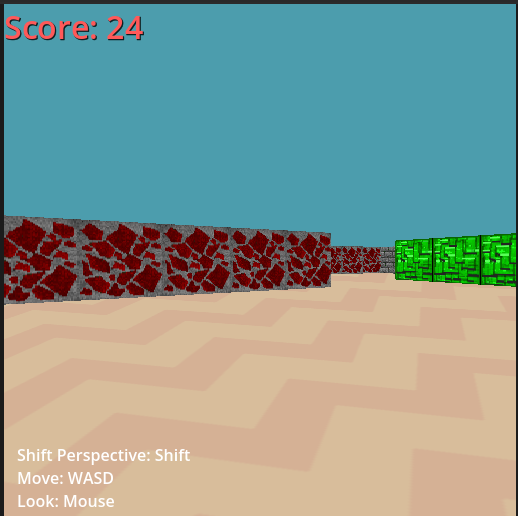
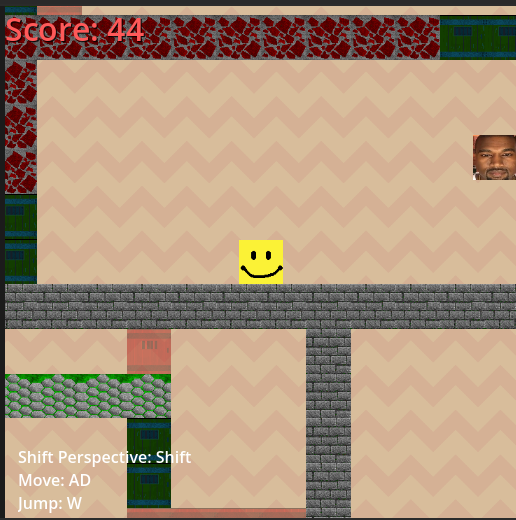
You can play the full demo of my game here
Python
Streamlit Projects – Python
for my CS1301 course, we were tasked with using the streamlit app to deploy different websites, using our knowledge of python.
In these projects, I learned:
API calling, AI Integration, Streamlit methods and workflow, Git, Data Visualization
- Fallout Pipboy
- Digital AI Library – In collaboration with Danielle Beaucejour –